Telehealth
Bringing secure video visits to independent practitioners — across web, iOS, and Android.


Overview
Re-imagining SimplePractice's teletherapy experience across web and mobile for a market growing incredibly fast during the pandemic — the previous 2017 solution struggled to scale with that hyper-growth.
I led end-to-end product design (research, testing, validation), helped prioritize the roadmap, and established a design system for a cohesive language across platforms.
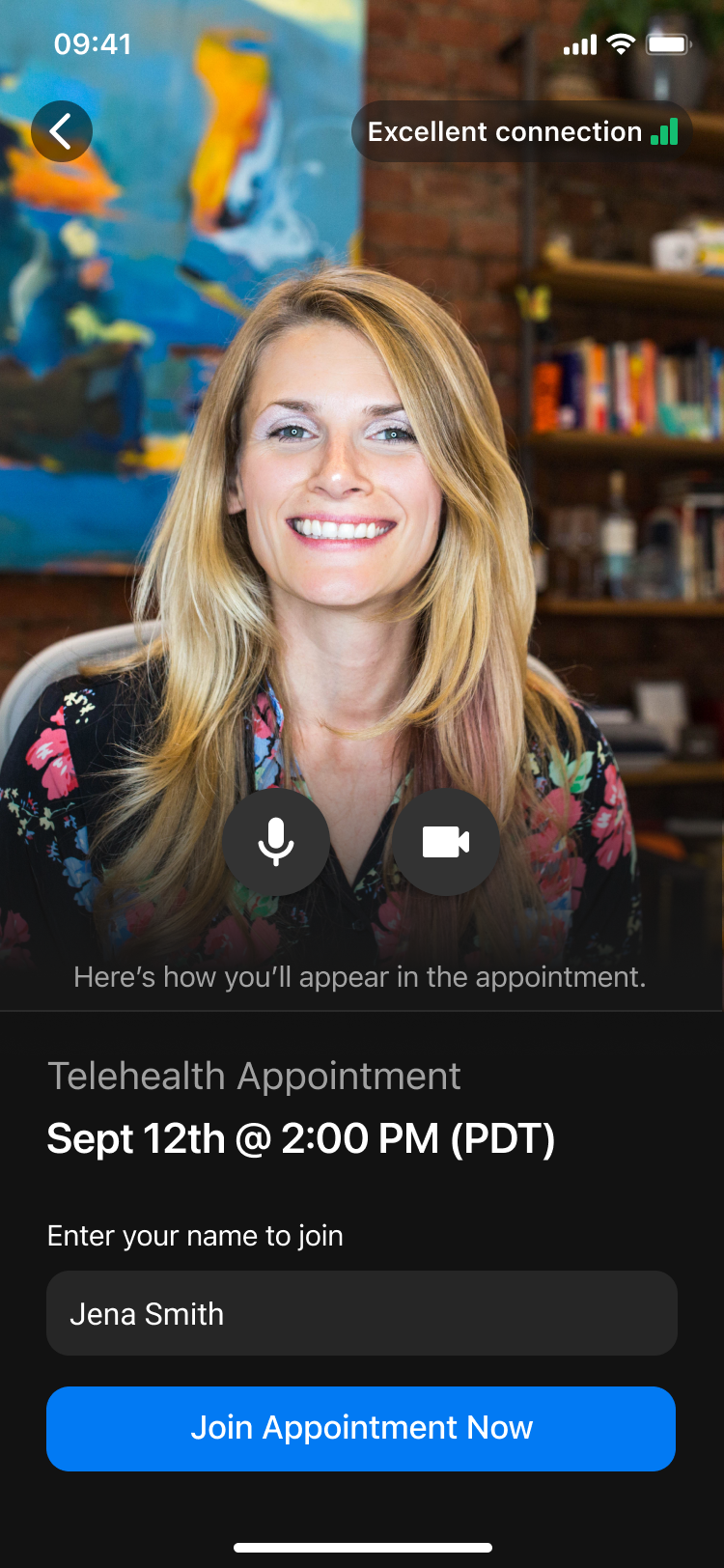
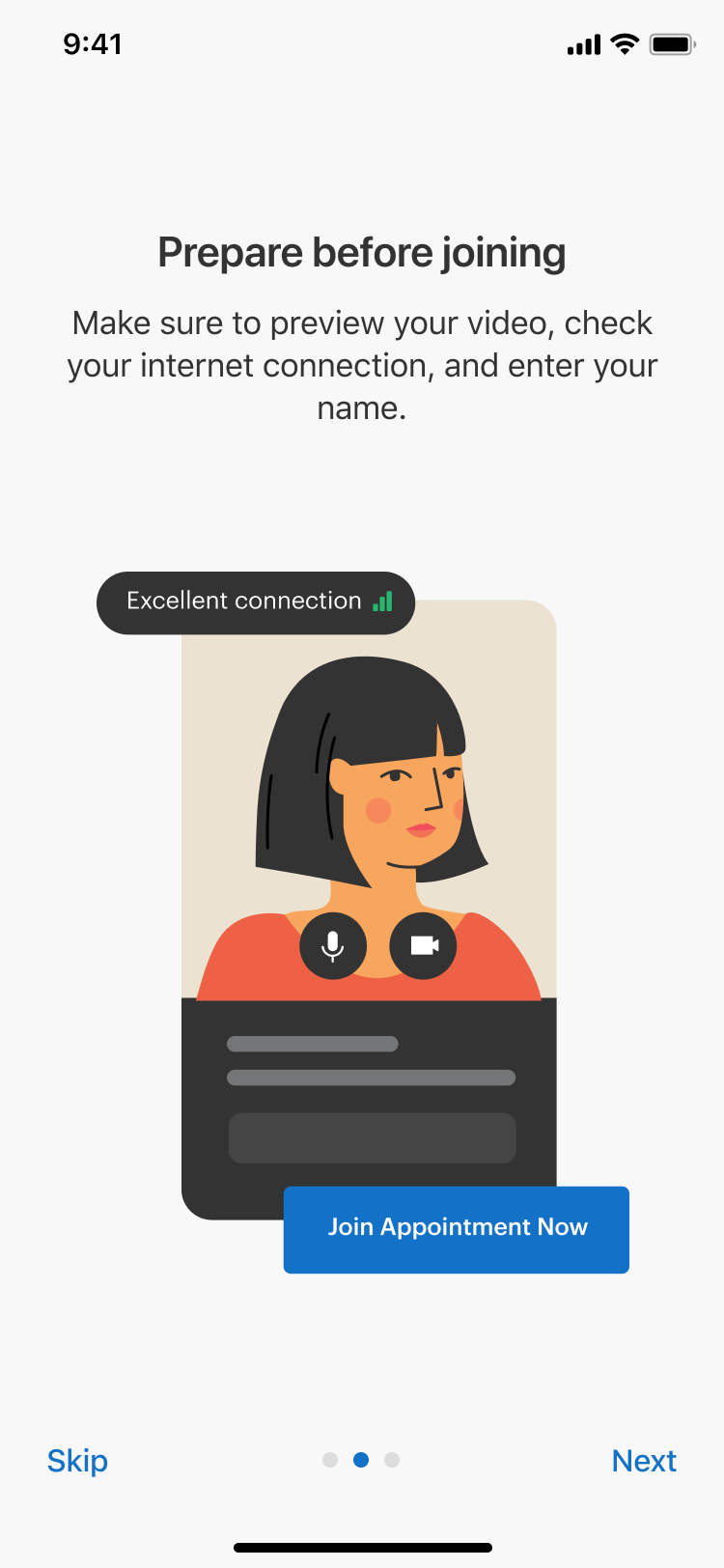
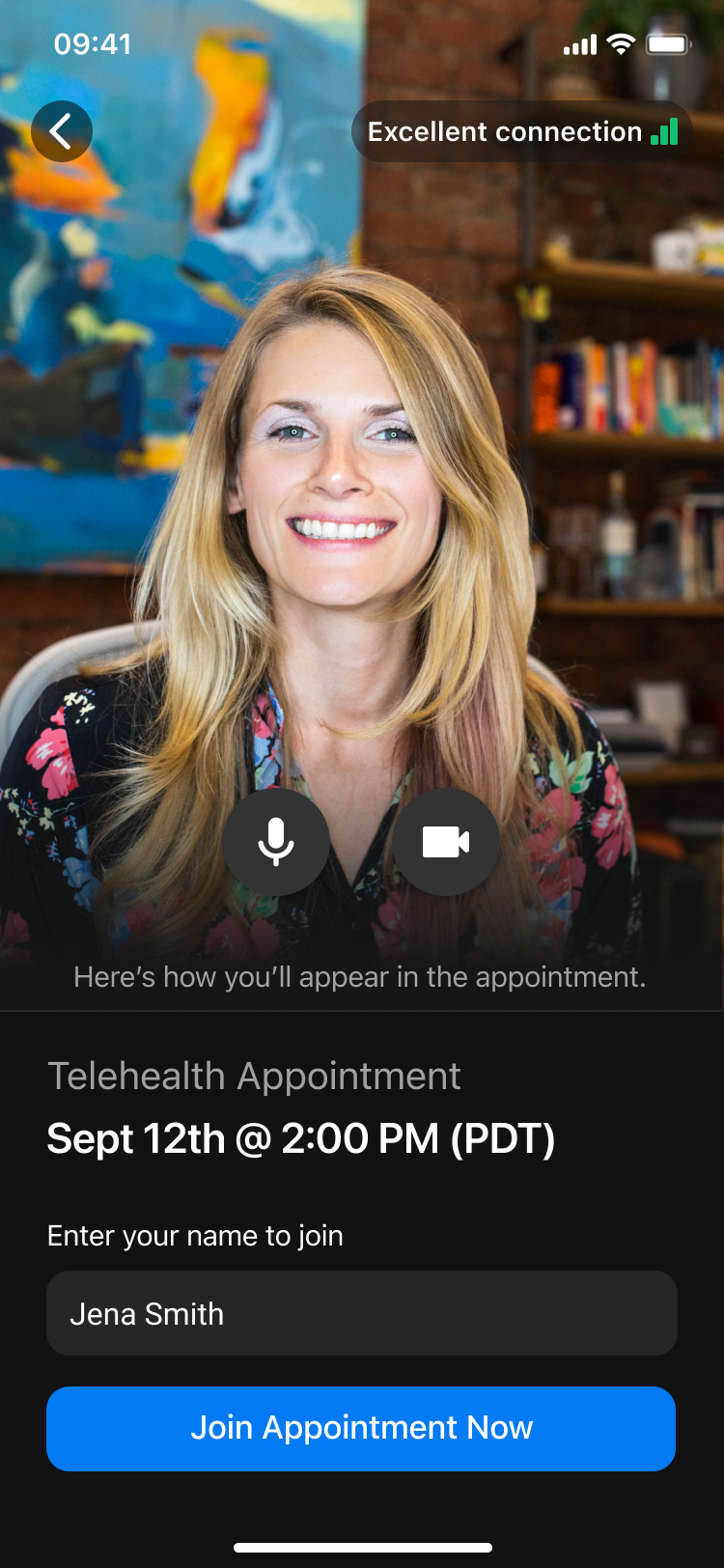
Adoption is the hard part, so the work starts before the first call — the on-ramp of finding, joining, and a "here's how you'll appear" setup check, reworked for mobile.
The video appointment
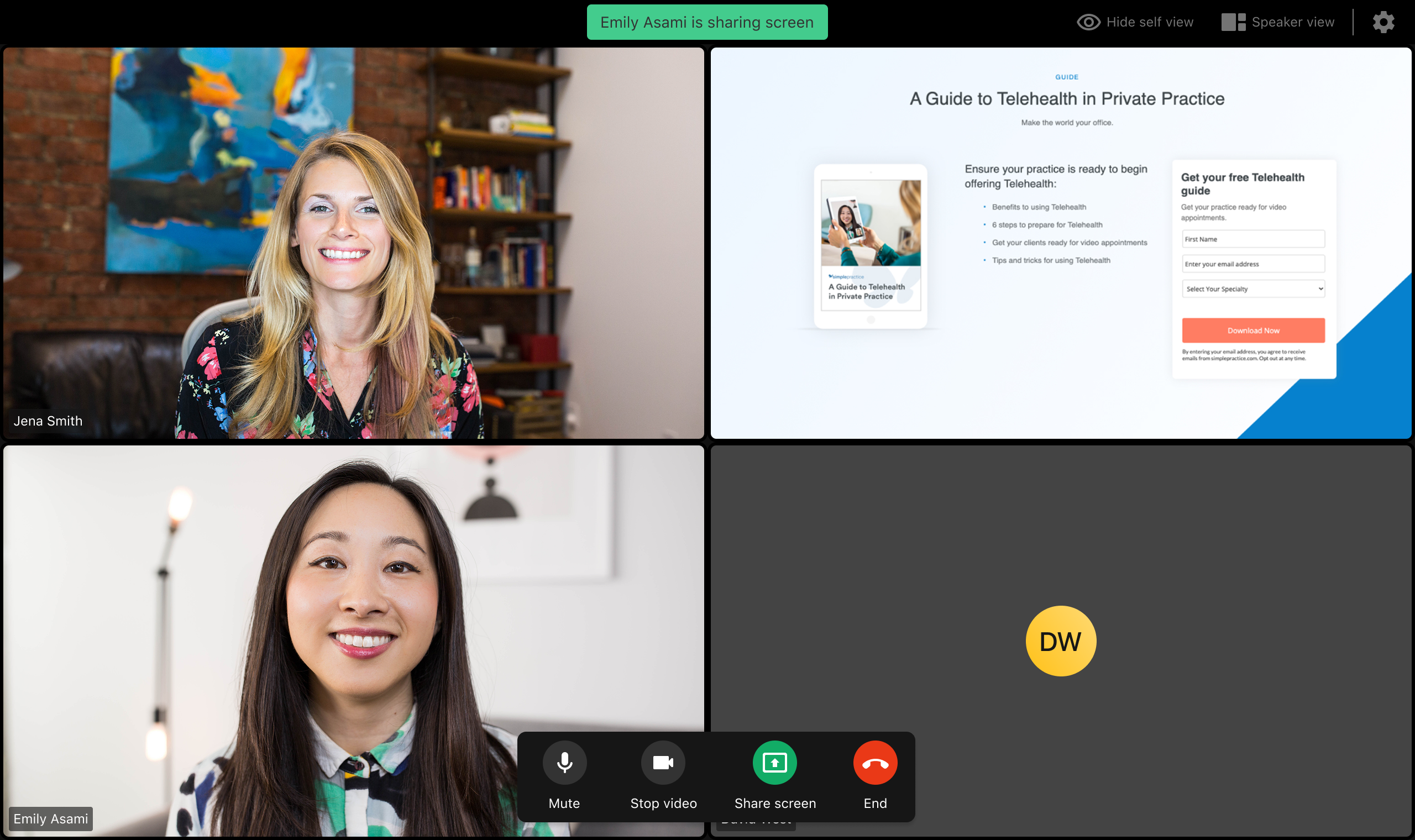
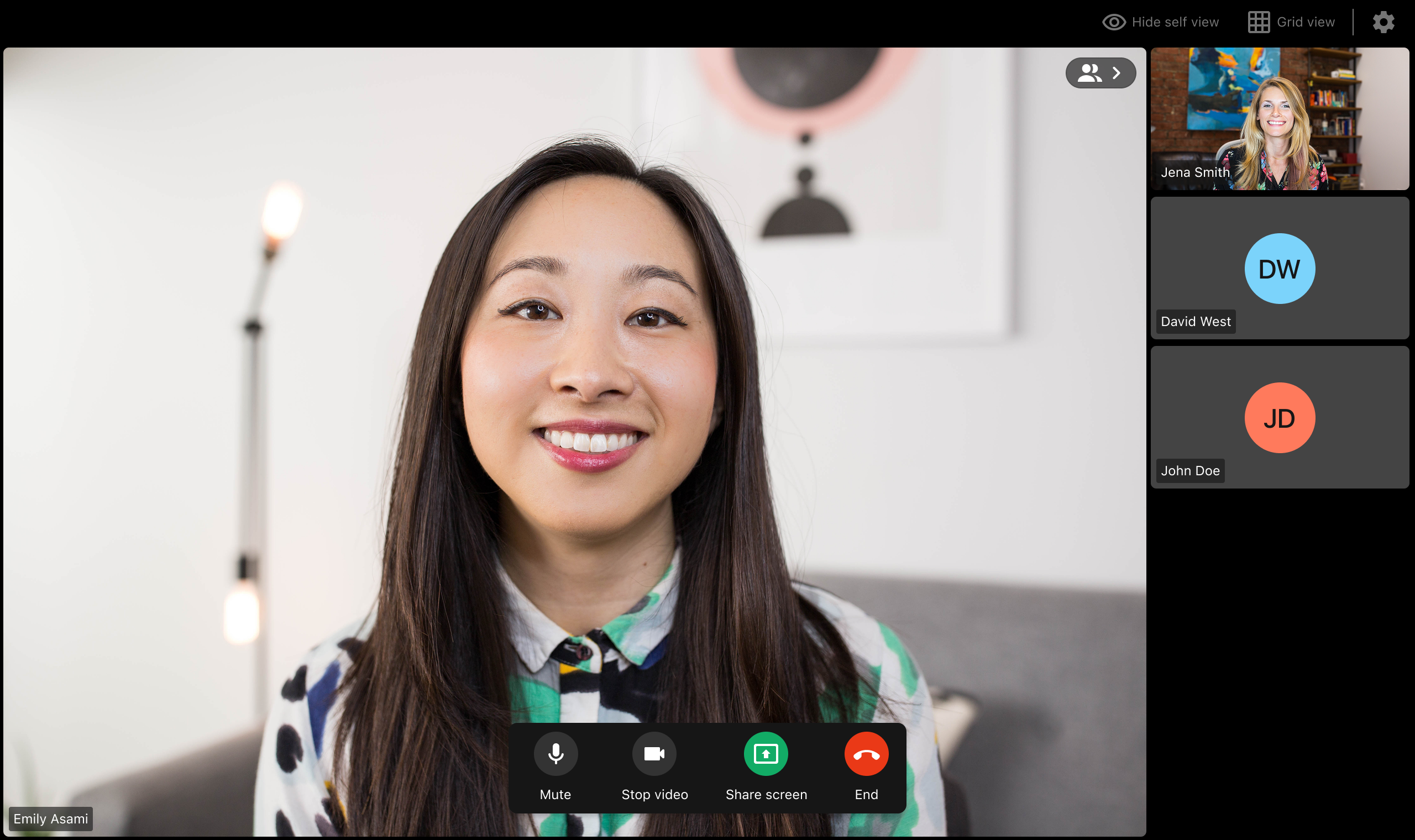
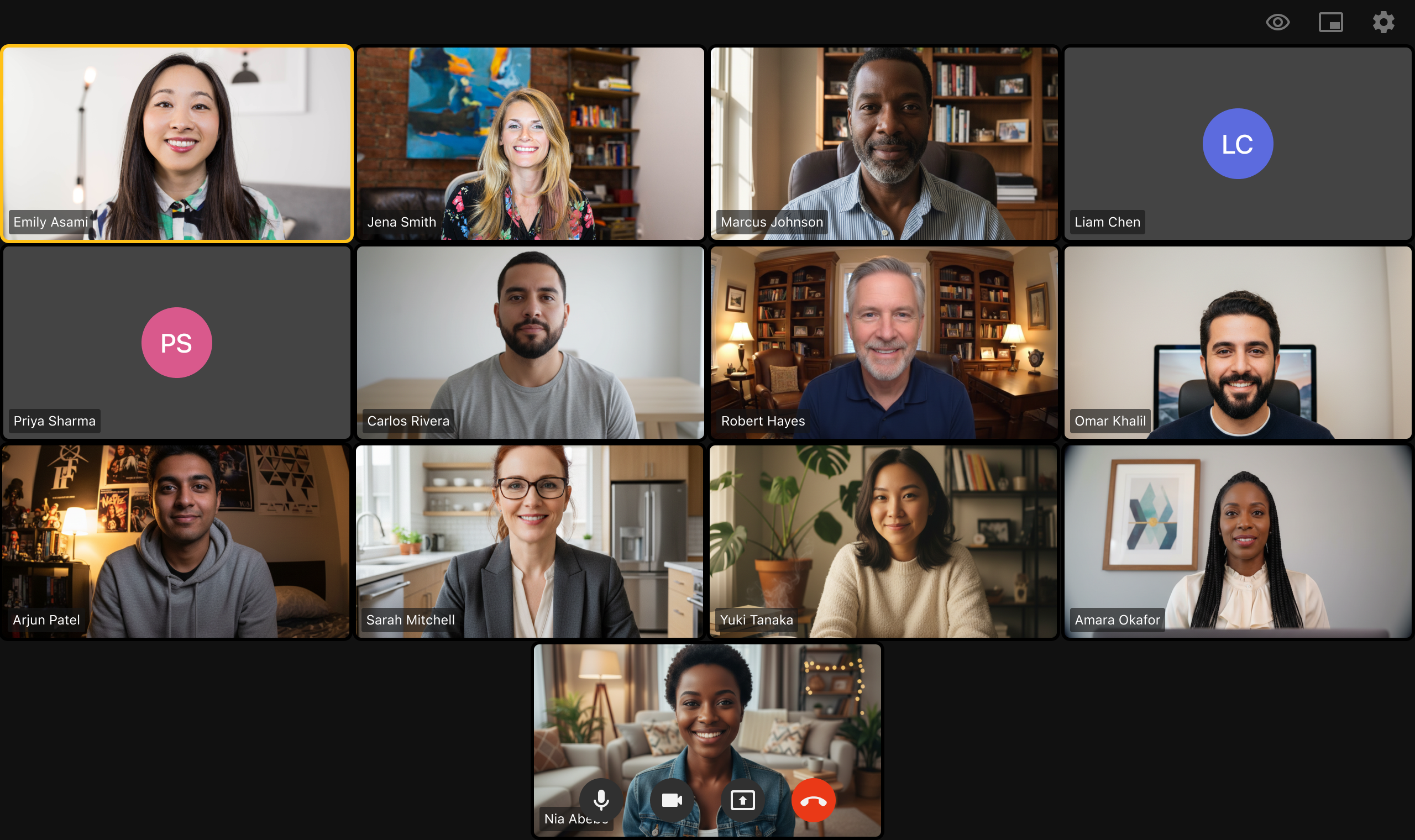
Layouts were explored with scalability in mind — Grid and Speaker views supporting up to 16 participants across web and mobile. The details are what make it feel in-person: hiding your own video, buried in most platforms, was surfaced up front, and a session timer let practitioners billing by the hour keep track.
More than a video feed
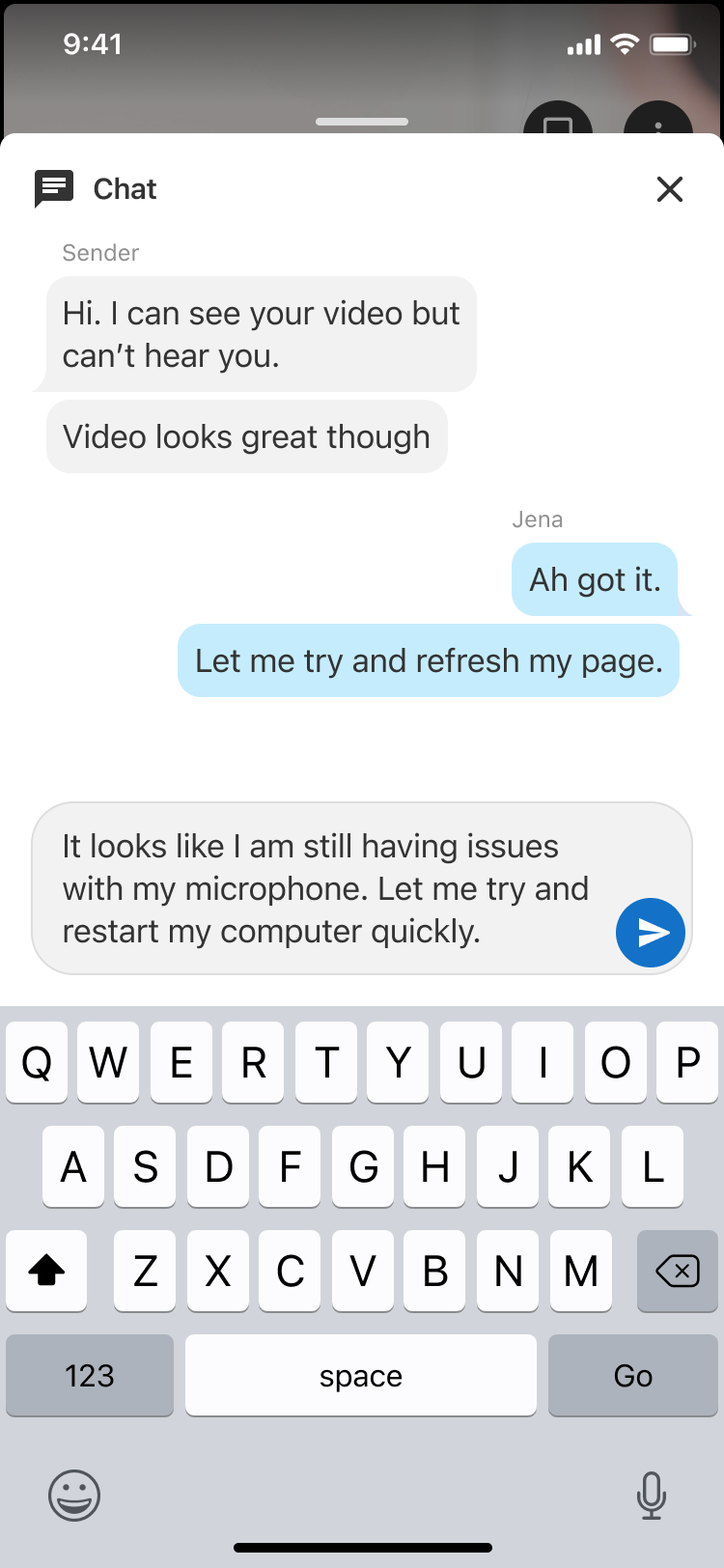
A call needs more than a face and a mic. Chat opened a second channel — a way to troubleshoot in-platform, and a real help for customers with certain speech impairments.
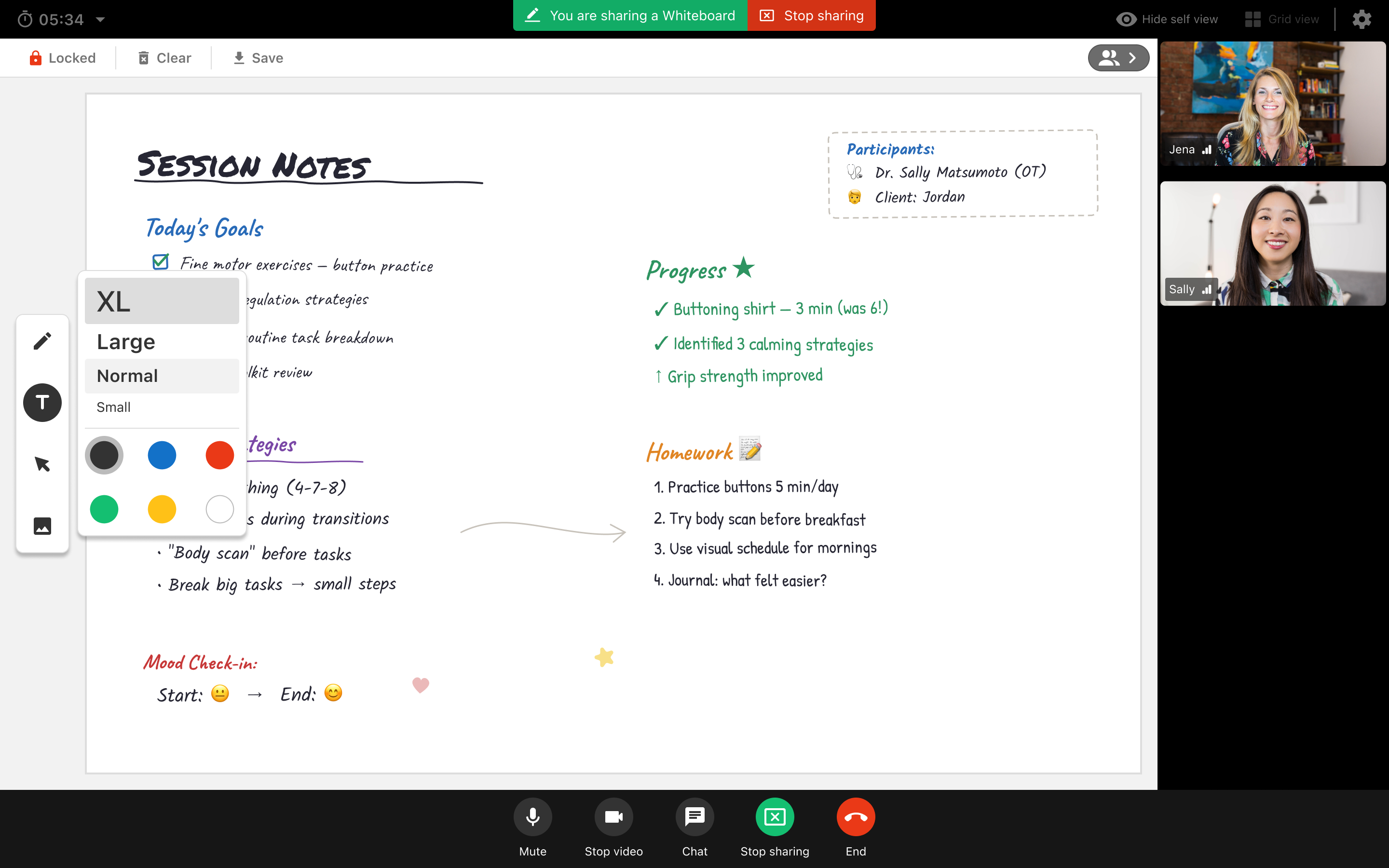
Whiteboarding went further: a shared canvas for sketching something out mid-session, without ever leaving the call.

A system across platforms
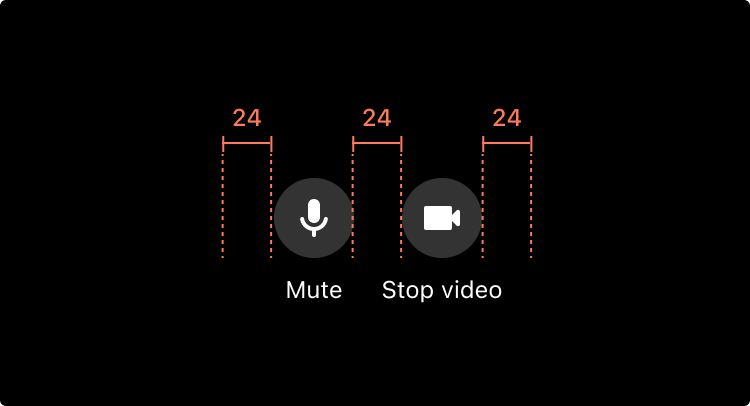
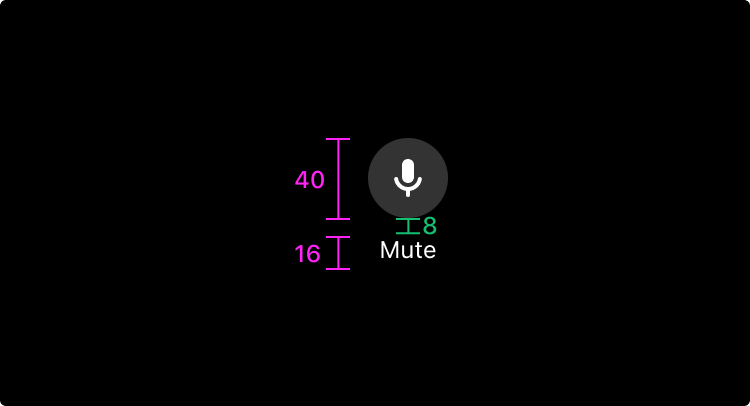
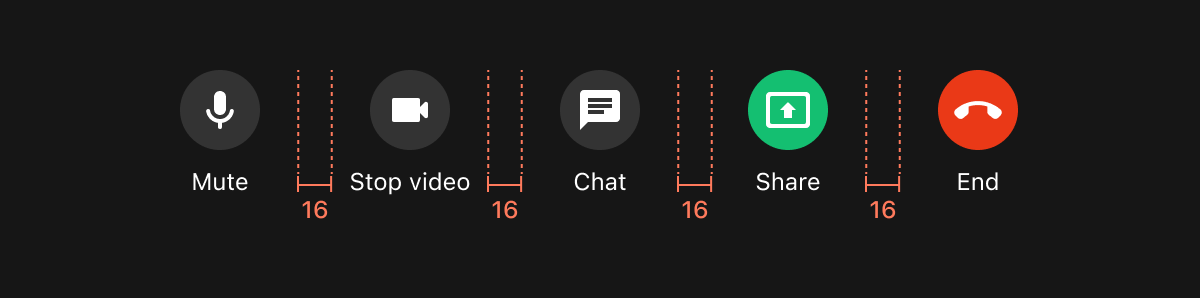
A design system tied it together — a cohesive language spanning web, iOS, and Android, defined down to the pixel: consistent spacing between controls, precise measurements for every button.
Positive results, and more room to grow
The Telehealth redesign carried SimplePractice through the pandemic's surge in demand across web, iOS, and Android. The next frontier is speciality-specific features that open up a larger share of the market.
2.6M
Monthly sessions by May 2021
88%
Practitioners adopted Telehealth
55k
New paid Telehealth accounts